What is the largest planet in the solar system?
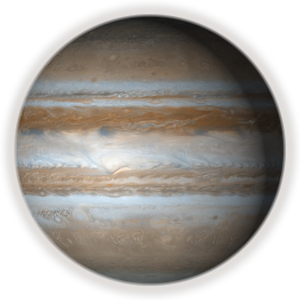
Jupiter is the largest planet in the solar system. Its mean diameter is about 139,822 km, or roughly 11 times Earth’s diameter. Jupiter is followed by Saturn, Uranus, and Neptune.
What is the planet size order from largest to smallest?
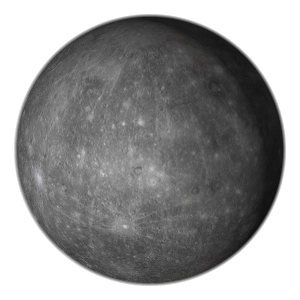
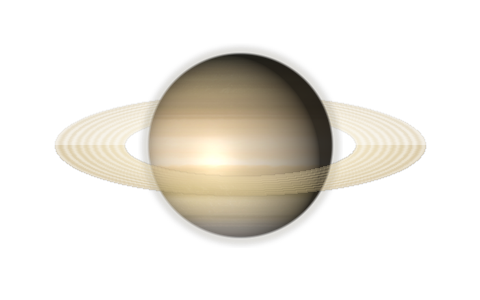
The planet size order is Jupiter, Saturn, Uranus, Neptune, Earth, Venus, Mars, and Mercury. This order uses equivalent-volume mean diameter, not mass or ring width.
How do Earth, Venus, and Mars compare in size?
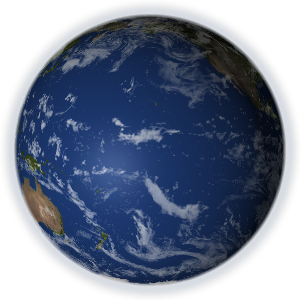
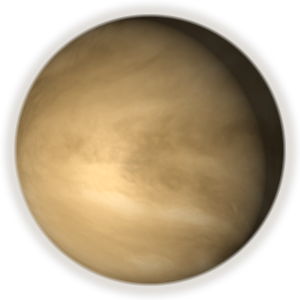
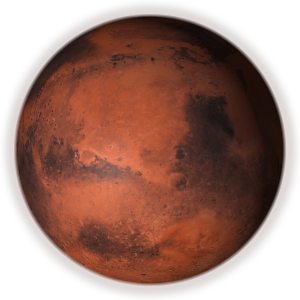
Earth size is 12,742 km in this comparison. Venus size is close at 12,103.6 km, or about 95% of Earth’s diameter. Mars size is 6,779 km, about 53% of Earth’s diameter. Venus therefore looks almost equal to Earth, while Mars appears a little more than half as wide.
Is the Sun included in the planet size comparison?
The Sun is available as an optional scale reference rather than a planet in the ranked lineup. Add it separately in Compare when you want to see star-to-planet scale. For a readable chart, avoid combining the Sun with small moons in the same view; the diameter gap is so large that the smaller bodies collapse into dots.
How large is Pluto compared with the planets?
Pluto size is about 2,376.6 km in diameter. Pluto is smaller than Mercury and smaller than Earth’s Moon. It is classified as a dwarf planet, so you can add it to the interactive planet size comparison without treating it as one of the eight planets.
Which planet is closest to Earth size?
Venus is closest to Earth size. Venus has about 95% of Earth’s diameter, while Mars has about 53%. Earth is only about 638 km wider than Venus, which is why the two planets look nearly equal in a true-scale planet size comparison chart.
Do Saturn’s rings count toward Saturn size?
No. Saturn size means the mean diameter of its atmospheric globe. The artwork shows the rings, but the measurement does not include them.
Why do small planets look tiny in true scale?
A true-scale planet size chart preserves the real diameter ratio. Jupiter is nearly 29 times wider than Mercury, and the Sun is about 285 times wider than Mercury. When all bodies share one scale, rocky planets must look small. Use zoom and drag to inspect them without changing the underlying ratio.